
Collection of Evidence is an important part of many private, corporate and legal investigations. Depending on the circumstances, an investigation may require the identification, evaluation and documentation of information relating to personal disputes, corporate matters, financial disputes, fraud, theft or digital incidents.
Nikos Pelekasis & Associates provides professional investigation and evidence collection services in Athens, Piraeus and throughout Greece, with particular emphasis on legality, confidentiality and the objective documentation of facts.
The type of evidence that may be relevant and the methods through which it can lawfully be obtained vary considerably from one case to another. For this reason, before an investigation begins, we assess its purpose, the information already available and the lawful investigative options appropriate to the case.
Evidence may include information, documents, digital files or other material that can help confirm or disprove facts relevant to an investigation.
Depending on the case, this may include:
The existence of information does not automatically mean that it can be used as evidence in every legal proceeding. The legality of the way in which evidence was obtained and its evidential value depend on the circumstances and applicable law.
Different investigations require different forms of evidence. A corporate fraud investigation, for example, may require a very different approach from an infidelity case or a digital security incident.
The objective is therefore not simply to collect as much information as possible, but to identify and document information that is genuinely relevant to the matter being investigated.
Photographic and video material can be relevant in many private investigations.
Where permitted by law, investigators may document events occurring in public or otherwise lawfully accessible locations when those events are relevant to the purpose of the investigation.
Where legally obtained CCTV or security-camera footage already exists, it may also be examined to identify potentially important details.
Depending on the material available, analysis may help establish:
The usefulness of video evidence depends on factors such as image quality, camera position, timestamps and the circumstances in which the recording was obtained.
A significant amount of information relevant to modern investigations may exist on smartphones, computers and other digital devices.
Where lawful authority exists to access the device or data, a Digital Forensics examination may be conducted to identify, analyse and document relevant digital findings.
Depending on the case, examination may include:
Particular attention is given to preserving original material and documenting the technical actions performed during the examination.
Digital evidence should be handled carefully because unnecessary use or modification of a device can alter potentially relevant information.
When there are indications that a smartphone or computer may have been compromised, a technical examination may be appropriate.
Depending on the circumstances, examination may look for:
Technical findings can, where appropriate, be documented in a report so that the client and their legal adviser can evaluate the available evidence and determine the appropriate next steps.
It is important to distinguish genuine technical findings from assumptions. Unusual battery consumption, unfamiliar applications or unexpected network activity alone do not automatically prove that a device has been compromised.
For cases specifically involving suspected spyware or unauthorized smartphone monitoring, our Mobile Spyware Detection service provides a dedicated technical examination.
Open-Source Intelligence (OSINT) can provide important information in modern private investigations.
Publicly available information from websites, corporate records, publications, social media and other lawfully accessible sources can be identified, compared and evaluated.
Professional OSINT research goes beyond a simple internet search.
Information should be cross-checked, sources evaluated for reliability and different data points compared before conclusions are reached.
Depending on the investigation, OSINT may assist in identifying:
Only lawfully accessible sources are used.
Corporate, financial or inheritance-related investigations may require research into business interests, professional activities or other information available through lawful and accessible sources.
Depending on the circumstances, publicly accessible corporate and professional records may provide relevant investigative information.
Our agency does not obtain unauthorised access to bank accounts, tax records or other protected databases.
Where information can only lawfully be obtained through judicial proceedings or another formal legal process, the appropriate action must be undertaken by the client’s lawyer or the competent authorities.
Certain investigations may involve biological material requiring specialised laboratory examination.
The collection, handling and testing of biological samples is subject to significant legal and ethical requirements.
Where there is a lawful basis for such examination, laboratory analysis should be conducted by appropriately qualified specialists or laboratories.
The circumstances under which the sample was obtained and the purpose of the examination can affect whether and how the resulting information may subsequently be used.
In cases involving suspected marital or partner infidelity, the purpose of an investigation should be to establish and objectively document relevant facts rather than simply confirm an existing suspicion.
Depending on the circumstances and applicable legal framework, an investigation may involve discreet field surveillance and documentation of events relevant to the case.
At the conclusion of the investigation, relevant findings can be organised and presented to the client in a clear and objective manner.
Where the primary concern is suspected cheating or an extramarital relationship, our dedicated Infidelity Investigation service provides a more specialised approach.
Theft investigations may require several different types of evidence.
Depending on the incident, relevant material can include CCTV footage, photographic evidence, timelines, information concerning individuals with access to a location, witness information and digital evidence.
Repeated theft may also require comparison between multiple incidents to identify patterns involving dates, locations or individuals.
Our dedicated Theft Detection service focuses specifically on investigating theft involving individuals, homes, employees and businesses.
The need for evidence is not limited to personal cases.
Businesses may require private investigation in cases involving:
Depending on the circumstances, an investigation may combine evaluation of available company information, lawfully obtained video material, open-source research and digital forensic examination of company-owned devices or data for which appropriate authority exists.
Corporate investigations should have a clearly defined purpose and scope before investigative work begins.
Personal and family disputes can involve information that is both sensitive and potentially important.
Depending on the circumstances, evidence may relate to family disputes, child-safety concerns, missing relatives, inheritance matters or other legitimate personal investigations.
Such cases require particular discretion because unnecessary disclosure of an investigation may create conflict or alter the behaviour of the individuals involved.
Our broader Family Investigation Services cover sensitive family and personal matters where independent investigation may be required.
Simply collecting a large amount of information does not automatically make an investigation effective.
Information needs to be evaluated, cross-checked and presented in a way that distinguishes factual findings from assumptions or interpretations.
Depending on the nature of the investigation, a written or technical report may be prepared.
A report can include:
The structure and level of technical detail depend on the type and purpose of the investigation.
Preservation is particularly important when electronic evidence is involved.
Repeated use of a smartphone or computer, installation of new applications, deletion of information or a factory reset can alter or destroy information that may have investigative value.
For this reason, where a device may require forensic examination, unnecessary changes should generally be avoided until the appropriate method of preservation and examination has been considered.
This is particularly relevant when the objective is to determine what happened rather than simply restore the device to normal operation.
Some investigations require cooperation between professionals from different disciplines.
Depending on the circumstances, our agency may work with:
Each professional has a different role.
The private investigator conducts investigative work within the appropriate scope, while questions of legal interpretation or specialised scientific examination are addressed by the relevant professional.
When an investigation relates to an existing legal case, early communication with the client’s lawyer can help ensure that investigative work focuses on the factual issues most relevant to the proceedings.
The method through which information is obtained is extremely important.
Something that is technically possible is not necessarily legally permissible.
The admissibility of particular evidence in legal proceedings can depend on numerous factors, including how it was obtained, the circumstances of the case and applicable law.
For this reason, when the primary objective is to obtain evidence for court proceedings, it is advisable to establish the factual objectives and legal boundaries of the investigation from the beginning.
Legal questions concerning the admissibility of particular evidence should ultimately be assessed by the client’s legal adviser.
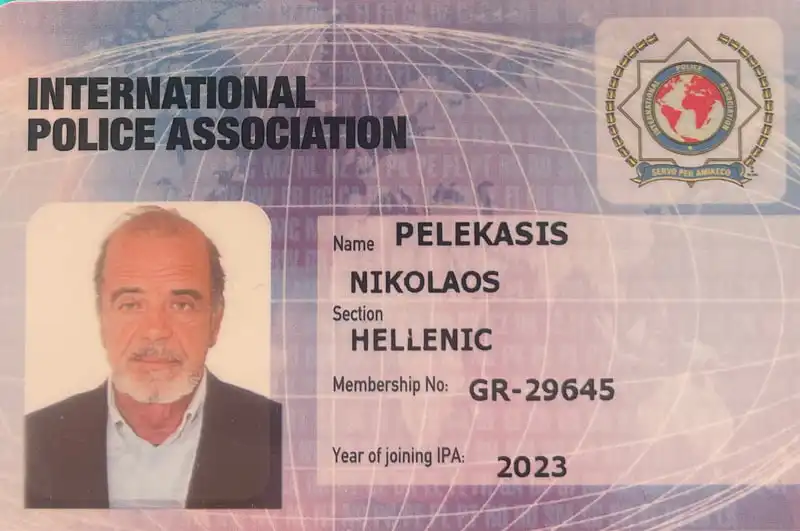
Nikos Pelekasis & Associates has been active in private and professional investigations for more than three decades, with offices in Athens and Piraeus and the ability to undertake assignments throughout Greece.
Modern investigations often require more than one investigative discipline.
Where appropriate, traditional private investigation techniques can be combined with Digital Forensics, OSINT and technical analysis to provide a more complete understanding of the available evidence.
Our purpose is not to produce a predetermined conclusion.
Relevant information is evaluated according to what the investigation actually establishes, distinguishing factual findings from assumptions or unsupported allegations.
Evidence-related investigations frequently involve sensitive personal, corporate or legal information.
Information concerning the client, investigation and findings is therefore handled with discretion and confidentiality.
Investigations can be undertaken in Athens, Piraeus, Attica and throughout Greece, depending on the requirements of each case.
Depending on the case and applicable law, evidence may include photographs, video material, publicly available records, digital information, investigative observations and other lawfully obtained information relevant to the investigation.
Yes, where lawful access or appropriate authority exists. The available evidence depends on the device, data and circumstances of the examination.
Sometimes. Recovery depends on the storage technology, device condition, encryption, subsequent use and other technical factors. Recovery cannot be guaranteed.
Potentially, but admissibility depends on how the evidence was obtained, the type of proceedings and applicable law. Where court use is anticipated, legal advice should be obtained.
Depending on the assignment, relevant findings can be documented in a written or technical investigation report.
Yes. Corporate cases may involve theft, fraud, internal misconduct, information leaks, digital evidence and other matters requiring lawful investigation and documentation.
Yes. Depending on the circumstances, traditional investigation can be combined with digital forensic and open-source investigative methods.
Yes. Our agency can undertake investigations in Athens, Piraeus and throughout Greece depending on the requirements of the case.
If you require professional Collection of Evidence and documentation for a private, corporate or digital matter, contact Nikos Pelekasis & Associates for a confidential initial assessment.
Based on the information already available, we can evaluate the investigative options, determine the appropriate methodology and establish the scope of the investigation before accepting the assignment.
Our objective is to identify, evaluate and document relevant facts through lawful, discreet and professional investigative methods.
Nikos Pelekasis & Associates – Collection of Evidence in Greece
Athens | Piraeus | Nationwide Investigations
Athens Office:
39 Stadiou Street, Athens, 10559
Piraeus Office:
36 Iroon Polytechniou Street, entrance from 8 Dragatsi Street, Piraeus Attica, 185310